
Beginner Home Workout Routines: A Complete Guide to Start Fitness at Home
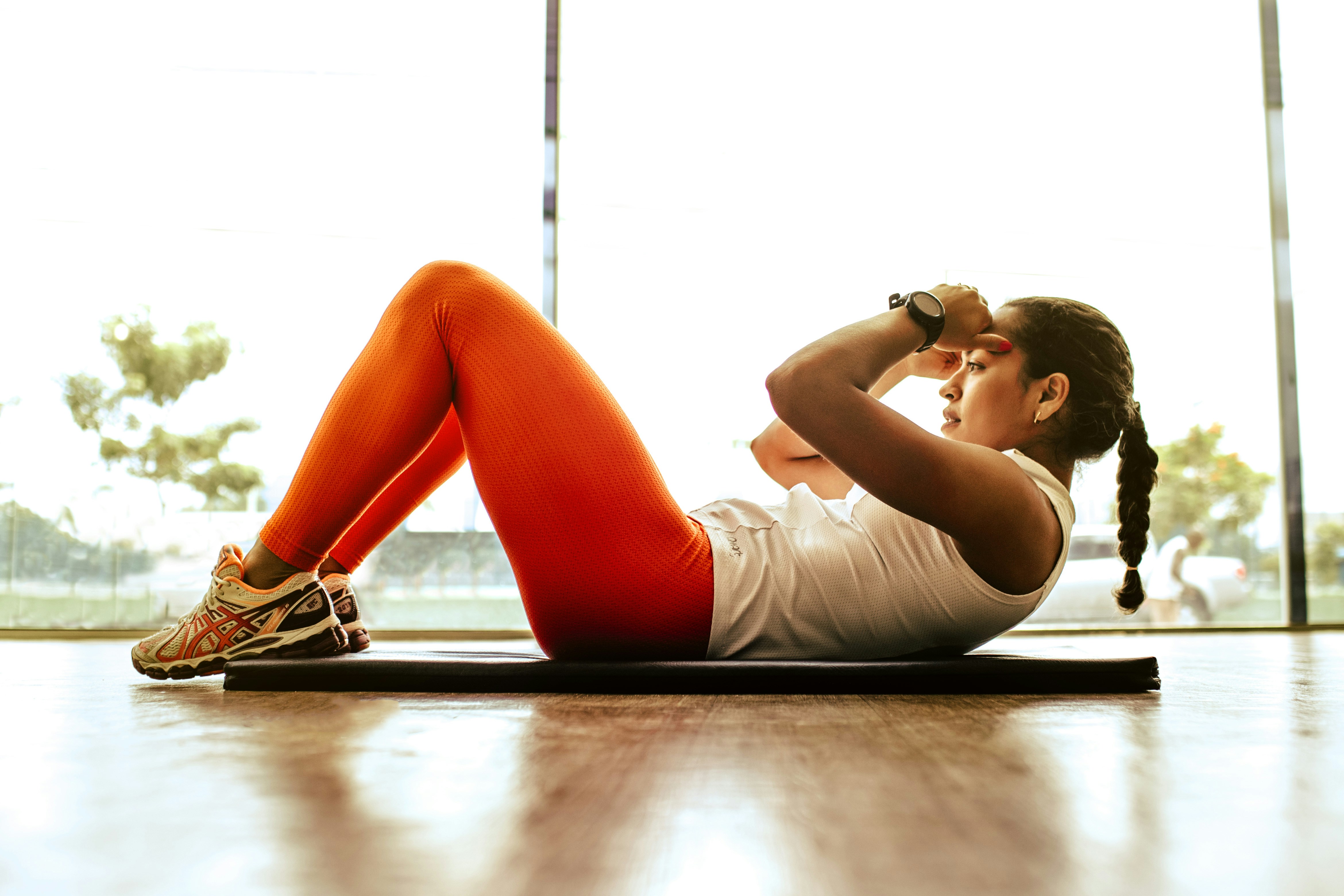
Looking for a simple way to become more active without going to the gym? This beginner home workout guide provides a practical starting point using simple bodyweight exercises that can be adapted to different fitness levels.
Starting a fitness routine can feel overwhelming when you are new to exercise. However, you do not necessarily need a gym membership or expensive equipment to begin. A simple home routine can help you develop strength, movement skills, and exercise consistency.
At KingsFit Wellness, we believe sustainable fitness is built through realistic habits rather than extreme routines. This guide introduces beginner-friendly exercises and a simple weekly structure that you can adjust according to your ability.
Why Start with Home Workouts?
Home workouts can make physical activity easier to fit into everyday life. They can be especially useful for beginners who prefer to learn basic movements in a familiar environment.
- Convenient and time-saving
- Can require little or no equipment
- Can be adapted to different fitness levels
- Flexible enough for different schedules
- Can help beginners develop exercise confidence
Beginner Full-Body Home Workout
The following routine combines basic movements for the lower body, upper body, and core. Begin with fewer repetitions if necessary and concentrate on controlled movement and comfortable technique.
1. Marching in Place — Warm-Up
2–5 minutesMarch gently in place while moving your arms naturally. Gradually increase your pace as you become warmer.
- Raises body temperature gradually
- Gets the body ready for movement
- Provides a low-impact warm-up option
2. Bodyweight Squats
8–12 repetitionsStand with your feet approximately shoulder-width apart. Bend your knees and hips while keeping your movements controlled, then return to the standing position.
- Works major lower-body muscles
- Practices a basic functional movement
- Can be modified by using a sturdy chair for support
3. Incline or Wall Push-Ups
6–12 repetitionsBeginners can start with wall or incline push-ups before progressing toward floor push-ups if comfortable.
- Works the chest, shoulders, and arms
- Allows beginners to adjust the difficulty
- Encourages controlled upper-body movement
4. Glute Bridges
8–15 repetitionsLie on your back with your knees bent and feet supported on the floor. Gently lift your hips, pause briefly, and lower them under control.
- Works the gluteal muscles
- Strengthens the muscles around the hips
- Can be performed without equipment
5. Reverse Lunges or Supported Split Squats
6–10 repetitions per sideStep one foot backward and lower your body only as far as you can comfortably control. Hold a stable support if needed.
- Challenges the lower body
- Develops coordination and balance
- Can be modified for beginners
6. Beginner Core Exercise
10–20 secondsTry a modified plank using your knees or another comfortable beginner variation. Keep the movement controlled and stop if you experience pain.
- Challenges the core muscles
- Encourages trunk control
- Can be modified according to ability
7. Gentle Cool-Down
3–5 minutesFinish with easy walking or gentle movements. You can include comfortable stretches without forcing a joint or muscle into a painful position.
Simple Weekly Beginner Workout Plan
Beginners do not need to exercise hard every day. A gradual schedule can make it easier to develop a consistent routine.
Key Tips for Beginners
- Start with movements you can perform comfortably.
- Focus on controlled technique rather than speed.
- Increase your workload gradually.
- Allow time for recovery.
- Stay hydrated according to your needs and environment.
- Choose comfortable clothing and suitable footwear when appropriate.
- Track consistency rather than expecting immediate changes.
Nutrition and Recovery
Exercise is only one part of a healthy lifestyle. Recovery, adequate nutrition, sleep, hydration, and regular daily movement also matter.
- Eat a varied and balanced diet.
- Include nutritious sources of protein, carbohydrates, and fats.
- Drink fluids regularly.
- Prioritize sufficient sleep and recovery.
- Include fruits, vegetables, whole grains, and other nutrient-rich foods.
Common Beginner Mistakes to Avoid
- Starting with more exercise than you can comfortably manage
- Ignoring proper technique
- Skipping recovery
- Trying to progress too quickly
- Comparing your progress with other people
- Expecting dramatic changes immediately
Who Can Use This Routine?
This guide is intended as a general starting point for healthy beginners who want simple home-based exercise ideas. Exercises should be modified according to individual ability, mobility, fitness level, and experience.
- People new to structured exercise
- People who prefer exercising at home
- Busy people looking for a simple routine
- Beginners who want to develop basic movement skills
Conclusion
Starting a home workout routine does not have to be complicated. Begin with manageable movements, focus on good technique, allow your body to recover, and gradually build your activity level.
The goal is not to complete the hardest workout possible. The goal is to develop sustainable physical-activity habits that can become part of your everyday lifestyle.
Frequently Asked Questions
How often should beginners work out at home?
A beginner can start with a small number of sessions each week and gradually increase activity as fitness and confidence improve. Recovery days can be included between strength-focused sessions.
Can I build strength with home workouts?
Yes. Bodyweight movements such as squats, push-ups, lunges, and glute bridges can provide resistance and help develop muscular strength when performed consistently and progressed appropriately.
Do I need equipment for beginner home workouts?
No. Many beginner movements can be performed using body weight alone. Equipment can be added later if it is appropriate for your goals and available to you.
How long should a beginner workout last?
There is no single required workout length. Beginners can start with manageable sessions and gradually increase duration as their fitness improves.
What is the best time of day to work out?
The most practical time is one that fits your schedule and allows you to exercise consistently. Morning and evening workouts can both be suitable depending on your routine.






0 Comments