
Home Workout vs Gym: Which Is Better for Weight Loss and Muscle Building?
Compare home workouts and gym training to discover the fitness routine that fits your goals, budget, schedule, and lifestyle.
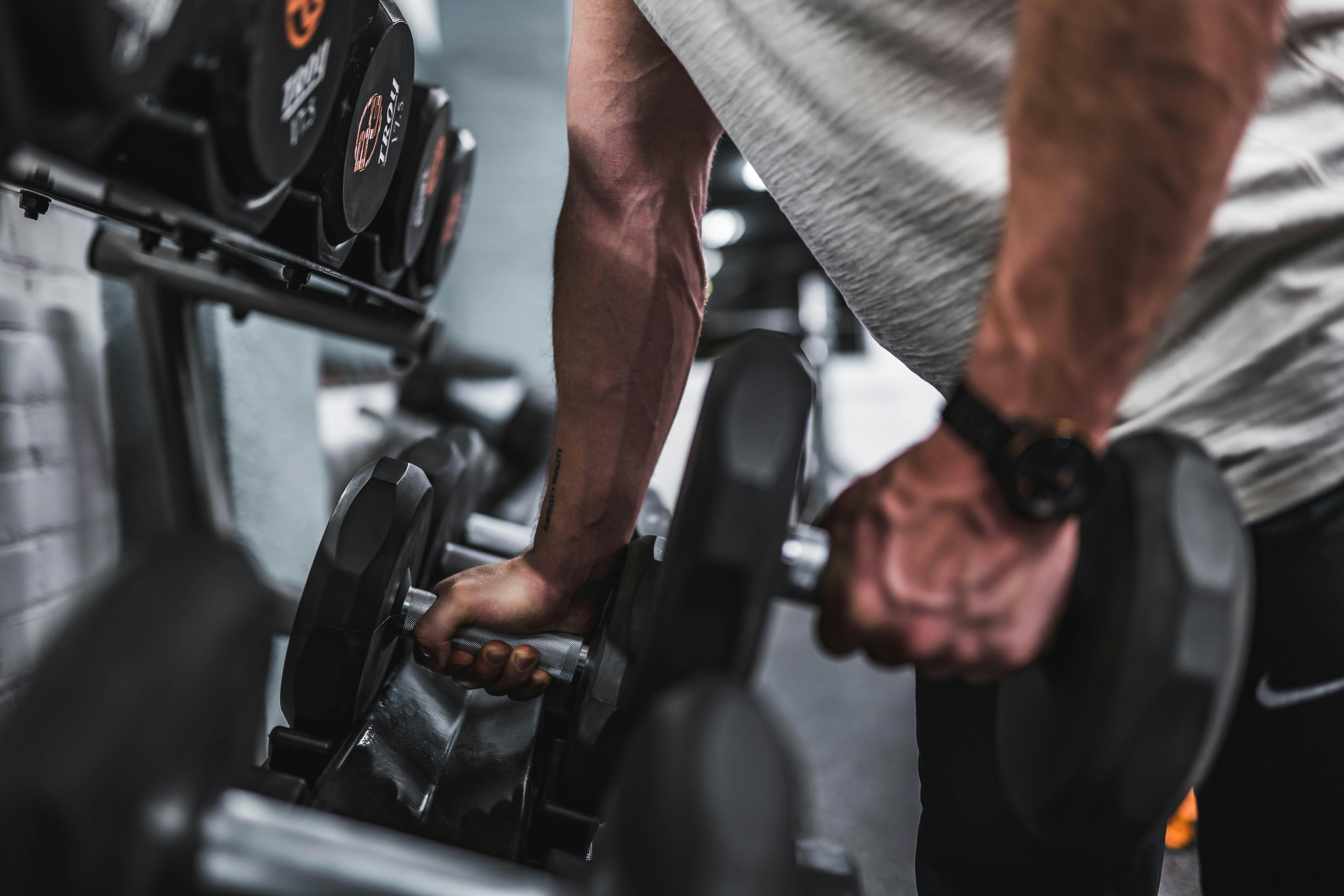
Are you trying to decide between a home workout and a gym membership? The choice can feel difficult, especially if you are a beginner, have a busy schedule, or want to lose weight without spending too much money. The good news is that both home workouts and gym workouts can help you improve your fitness when your routine matches your abilities and goals.
At KingsFit Wellness, we believe fitness should be practical, accessible, and sustainable. You do not necessarily need an expensive gym membership to become stronger, improve your endurance, or develop healthier habits.
In this guide, we compare home workout vs gym training across cost, convenience, weight loss, muscle building, equipment, and motivation. You will learn how to choose a workout environment that you can maintain consistently.
1. Benefits of Home Workouts for Beginners
Home workouts for beginners are a practical way to start exercising without travelling to a gym. You can use bodyweight exercises, household space, and simple equipment to build a routine around your daily responsibilities.
This approach can be particularly helpful if you work long hours, care for family members, live far from a fitness facility, or prefer exercising privately.
Advantages of working out at home
- Convenience: Exercise at a time that suits your schedule without travelling to a gym.
- Lower ongoing costs: Bodyweight workouts can be performed without a gym membership, although optional equipment may involve an initial expense.
- Beginner-friendly environment: Learn basic movements at your own pace.
- Flexible workout duration: You can fit shorter exercise sessions into a busy day.
- Privacy: Exercise in a familiar environment without worrying about other gym members.
- Easy habit building: Keeping your workout space at home can make it easier to establish a regular routine.
Examples of effective home exercises
- Marching in place or walking briskly.
- Bodyweight squats or chair squats.
- Wall push-ups or incline push-ups.
- Glute bridges.
- Standing calf raises.
- Modified planks, where appropriate.
- Low-impact step exercises.
These exercises can help beginners develop strength, balance, movement control, and general fitness. Choose variations that match your current ability and increase difficulty gradually.
For a structured routine, read our guide to beginner home workout routines .
Potential disadvantages of home workouts
- You may have limited access to heavier resistance equipment.
- Some people find it difficult to stay motivated at home.
- Small living spaces can restrict certain exercises.
- Without guidance, beginners may struggle to learn correct exercise technique.
You can address these challenges by following a structured plan, choosing a suitable exercise space, and seeking qualified guidance when you need help with technique or progression.
2. Benefits of Gym Workouts
Gym workouts for beginners provide access to equipment such as dumbbells, barbells, resistance machines, cable machines, treadmills, and stationary bicycles. This variety can make it easier to target different muscle groups and gradually increase training difficulty.
Advantages of joining a gym
- More equipment: Access to a wider range of strength-training and cardiovascular machines.
- Progressive resistance: Many gyms make it easier to increase resistance gradually as your strength improves.
- Professional support: Some facilities offer qualified personal trainers who can help you learn exercise technique.
- Dedicated training environment: Leaving home to exercise may help some people concentrate.
- Group exercise: Classes can provide structure, instruction, and social interaction.
- Training variety: You can combine resistance training, cardio, and other forms of exercise.
Potential disadvantages of gym training
- Membership fees and transportation can increase costs.
- Travel time may make it harder to exercise regularly.
- Busy facilities may require waiting for equipment.
- Some beginners may feel uncomfortable in an unfamiliar environment.
- Membership alone does not guarantee consistent exercise or results.
If you choose a gym, begin with manageable sessions and ask a qualified instructor for help when learning unfamiliar exercises. You do not need to use every machine or perform complicated routines to make progress.
3. Home Workout vs Gym: Key Differences
The best option depends on what you need from your fitness routine. Use this comparison to identify the approach that fits your circumstances.
| Factor | Home Workouts | Gym Workouts |
|---|---|---|
| Cost | Can be inexpensive, especially with bodyweight exercises. | Usually involves membership or pay-per-visit costs. |
| Convenience | Exercise at home without travelling. | Requires travelling unless the gym is very close. |
| Equipment | Bodyweight movements and optional basic equipment. | Generally offers a broader selection of equipment. |
| Weight loss | Can support weight management when combined with appropriate nutrition and regular activity. | Can support weight management through cardio and strength training. |
| Muscle building | Possible with challenging bodyweight exercises and suitable resistance. | Often easier to increase resistance as strength improves. |
| Privacy | Usually offers more privacy. | Shared environment with other exercisers. |
| Guidance | May require online resources or individual coaching. | Qualified trainers may be available, depending on the facility. |
| Best suited to | People who value flexibility, convenience, and training at home. | People who prefer equipment variety and a dedicated training environment. |
4. Home Workout vs Gym for Weight Loss
If your main goal is weight loss, you may be wondering whether exercising at home or joining a gym burns more fat. The answer depends on the type, duration, and intensity of your activity, along with your overall eating habits and daily movement.
Home workouts can support weight loss through activities such as brisk walking, marching in place, bodyweight circuits, dancing, and strength exercises. Gym workouts can offer additional options, including treadmills, stationary bicycles, elliptical machines, and resistance training.
Neither environment guarantees weight loss. Changes in body weight are influenced by long-term energy balance, while sleep, stress, health conditions, medications, and other factors can also affect weight management.
Tips for sustainable weight management
- Choose physical activities you enjoy and can repeat regularly.
- Combine aerobic activity with strength training.
- Eat balanced meals with vegetables, fruits, protein sources, and fibre-rich foods.
- Pay attention to portion sizes and your overall eating pattern.
- Get adequate sleep and allow time for recovery.
- Track progress using realistic measures rather than daily weight alone.
Explore our guide to healthy weight management and lifestyle habits for more practical strategies.
You can also read our article on the best time to exercise for weight loss .
5. Home Workout vs Gym for Building Muscle
Both home workouts and gym training can help you build muscle. The important factors include challenging your muscles sufficiently, gradually increasing training demands, eating adequately, and allowing time for recovery.
Building muscle at home
Beginners can develop strength using bodyweight movements such as squats, push-ups, lunges, and glute bridges. As these exercises become easier, you can consider harder variations, additional repetitions, slower controlled movements, or suitable resistance bands and weights.
Building muscle at the gym
Gyms offer a wider range of equipment for targeting different muscle groups and increasing resistance in small increments. This can be particularly useful as your strength develops or when you want to follow a more specialised resistance-training plan.
You do not have to lift the heaviest weight available to make progress. Use appropriate resistance, maintain good technique, and increase the challenge gradually.
6. Home Workout Equipment: What Do You Really Need?
One advantage of home exercise is that you can start without purchasing a complete set of fitness equipment. For many beginners, bodyweight movements provide a practical starting point.
Optional equipment for home workouts
- Exercise mat: Can provide a more comfortable surface for floor exercises.
- Resistance bands: Offer different resistance levels for strength exercises.
- Adjustable dumbbells: Can provide additional loading as your strength improves.
- Stable exercise step: May be useful for appropriate step exercises.
- Supportive footwear: Can be useful for activities that involve walking, jumping, or repeated impact.
Buy equipment according to your actual needs, available space, budget, and training goals. Expensive equipment is not a requirement for beginning a sustainable fitness routine.
7. How to Choose the Best Workout Option for Your Lifestyle
When deciding between home workout vs gym training, consider the following questions before spending money or committing to a particular routine.
Choose home workouts if:
- You have a limited budget.
- You prefer exercising at home.
- You need to fit short sessions into a busy schedule.
- You are comfortable following a beginner-friendly workout plan.
- You want to begin with bodyweight exercises and basic equipment.
Choose gym workouts if:
- You want access to a broad selection of strength-training equipment.
- You enjoy exercising in a dedicated fitness environment.
- You prefer structured classes or access to qualified trainers.
- You want to use machines and weights to progressively increase resistance.
- You can comfortably manage the membership cost and travel time.
Can you combine home workouts and gym training?
Yes. You can use a gym for strength training and exercise at home on other days. You can also walk outdoors, cycle, dance, or participate in recreational activities.
Combining different activities can provide flexibility and variety. Choose a schedule that fits your life rather than forcing yourself into a routine that is difficult to maintain.
8. A Simple Beginner Fitness Plan You Can Start This Week
If you are new to exercise, start with a manageable schedule. The following example can be adapted for home workouts or gym training. Adjust the duration and intensity to your current fitness level.
| Day | Suggested Activity |
|---|---|
| Monday | 15–25 minutes of beginner strength exercises. |
| Tuesday | 10–20 minutes of comfortable walking or other light activity. |
| Wednesday | Rest or gentle movement, depending on how you feel. |
| Thursday | 15–25 minutes of strength training with suitable exercises. |
| Friday | Walking, cycling, or another enjoyable aerobic activity. |
| Saturday | Optional light activity or a recreational activity you enjoy. |
| Sunday | Rest and prepare for the next week. |
Begin with fewer repetitions or shorter sessions if necessary. Increase activity gradually as your fitness and confidence improve. Rest when needed, and avoid pushing through pain.
The World Health Organization recommends that adults generally work towards at least 150–300 minutes of moderate-intensity aerobic activity per week, or an equivalent amount of vigorous activity, along with muscle-strengthening activities on at least two days per week. Some activity is better than none, and beginners can build up gradually.
For a more structured starting point, follow our 7-day beginner workout plan .
9. Frequently Asked Questions About Home Workout vs Gym
Is a home workout as effective as a gym workout?
Home workouts can improve strength, endurance, and general fitness. Gyms provide more equipment, which can be useful for certain goals. Effectiveness depends on your exercise selection, training effort, progression, consistency, and recovery.
Is a home workout or gym better for weight loss?
Both can support weight management. Regular physical activity, sustainable eating habits, and long-term consistency matter more than whether you exercise at home or in a gym.
Can beginners build muscle at home without equipment?
Yes. Beginners can build strength and muscle using appropriately challenging bodyweight exercises. As they progress, additional resistance or more difficult exercise variations may be needed.
How many days a week should a beginner work out?
Many beginners can start with two or three manageable exercise sessions per week and increase activity gradually. The right schedule depends on individual ability, goals, health, and recovery.
Do I need expensive equipment for home workouts?
No. Many beginners can start with bodyweight exercises and a suitable exercise space. Optional equipment can be added later if it meets your needs and budget.
Can I lose belly fat with home workouts?
Home exercise can contribute to overall fat loss when combined with sustainable nutrition and regular activity. However, exercises that target the abdominal muscles cannot selectively remove fat from the belly.
10. Final Verdict: Home Workout vs Gym
So, which is better: a home workout or a gym membership? The answer depends on your personal goals, budget, schedule, preferences, and access to equipment.
Home workouts can be an excellent starting point if you want flexibility and a convenient way to build healthy habits. Gym workouts may be more suitable if you prefer a wider selection of equipment, structured classes, or access to qualified trainers.
You do not have to choose the most expensive option or follow an extreme fitness programme. Start with what you can manage, focus on safe and consistent movement, and build your routine as your confidence grows.
Start Your Sustainable Fitness Journey
Ready to build healthier habits? Explore practical workout, nutrition, and wellness resources designed to help you take manageable steps towards a stronger, healthier life.
Explore KingsFit WellnessRelated Articles
Health disclaimer: This article is for general educational purposes only and is not a substitute for personalised medical advice. Exercise according to your abilities and seek guidance from a qualified healthcare professional when appropriate. Read our full disclaimer .






0 Comments